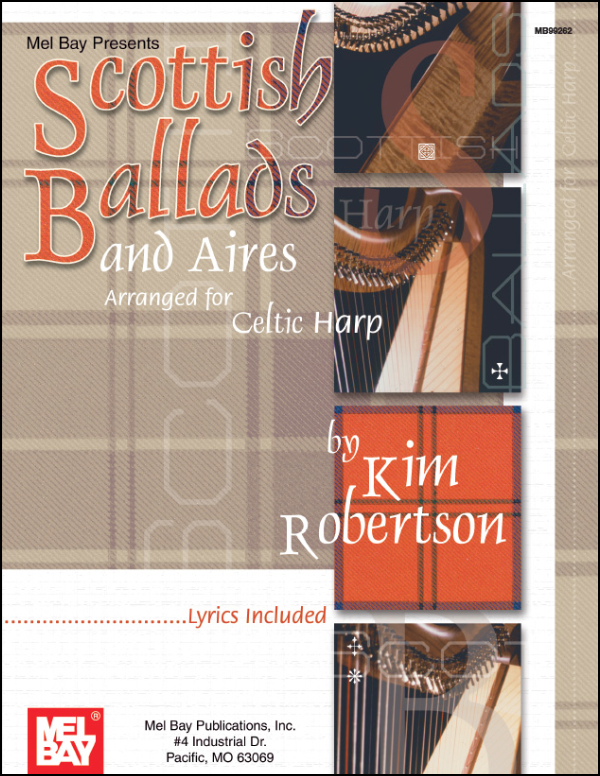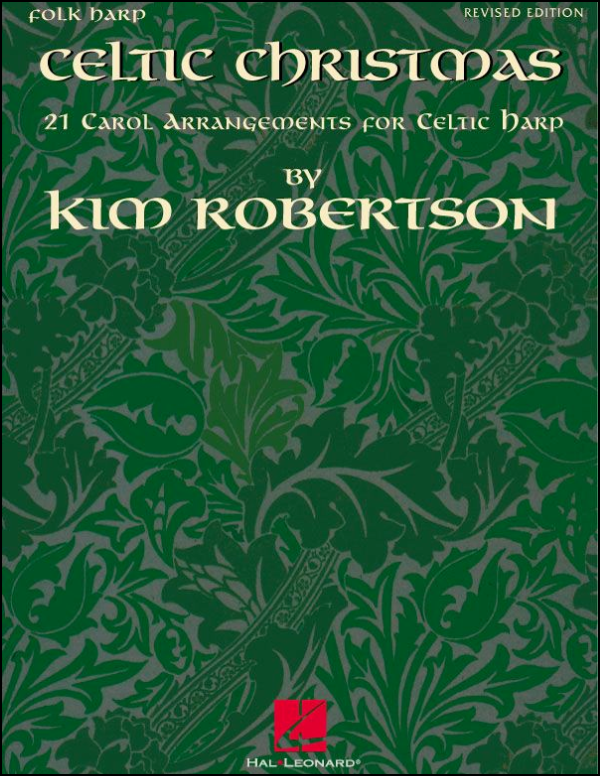
One of the best players recording today . . . her original works have that traditional ring of truth and authenticity to them . . .
—Compact Discussions

About
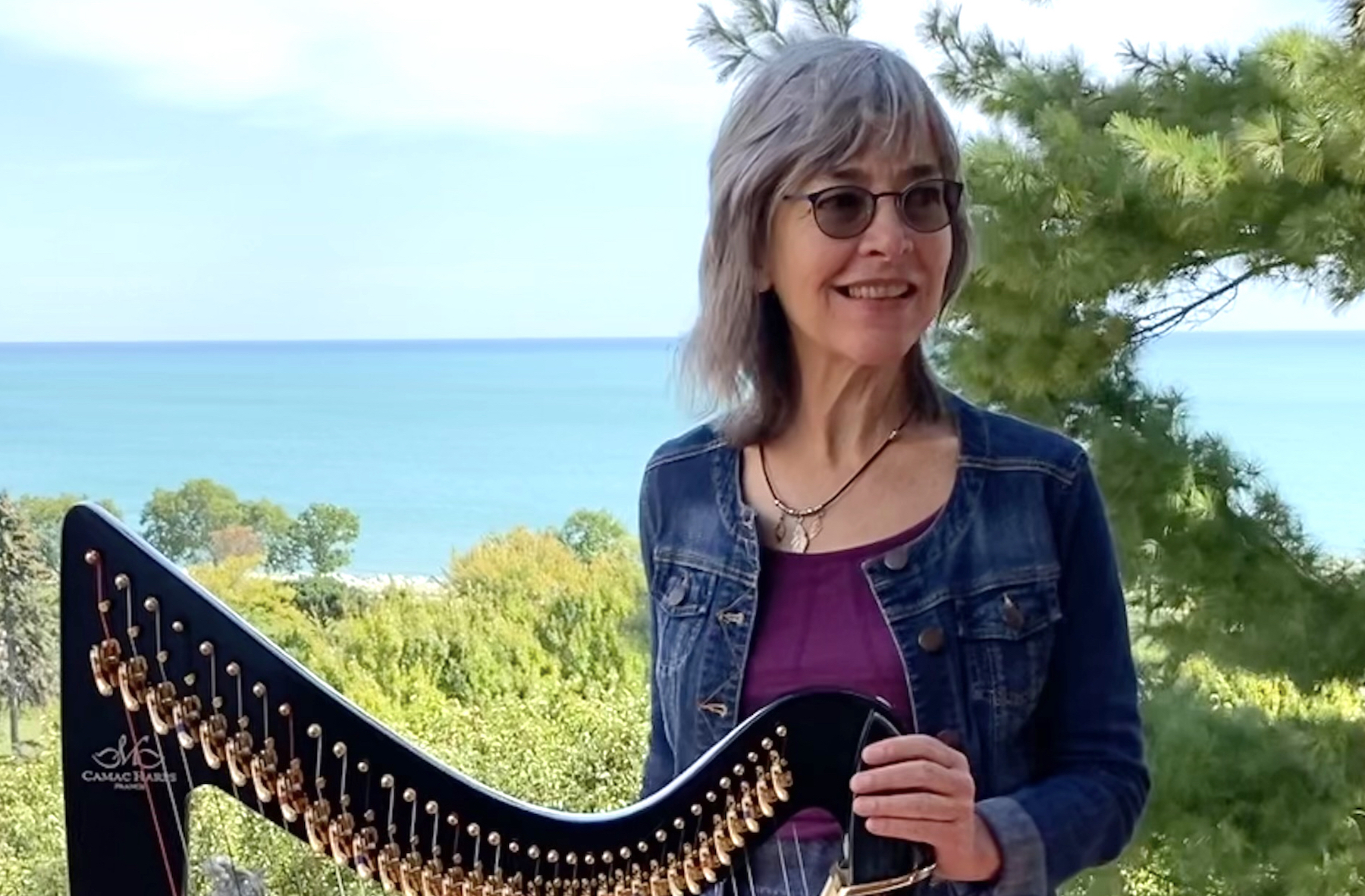
Kim Robertson is a renowned performer, arranger and recording artist who has stretched the boundaries of the harp for a new generation of performers and audiences. As a pioneer in the American folk harp movement, she combines an improvisational spirit with a passionate sense of tradition, bringing a contemporary touch to a centuries-old instrument.
Born in Wisconsin, she is classically trained on piano and orchestral harp. In the mid-70’s, Kim’s discovery of the Celtic harp grew into a profound love for the instrument, setting her upon the path of exploration for which she is now widely known. Kim has traveled with her harp from concert halls to grass roots folk clubs, from luxury cruise ships to remote mountaintops; she has performed concerts by candlelight, delivered singing telegrams and played herself on an episode of “Beverly Hills 90210”.
She has toured throughout the USA, Canada and Europe and is still recognized as one of the most prominent folk harpists performing today. Her work encompasses numerous recording projects, published harp arrangements and an international itinerary of workshops and retreats.
Press
…lyrical, heart-touching music, played with delicacy, grace and skill…
—Heartbeats
. . . her Celtic harp held within its strings and wood the diverse offerings of the human race . . . incredible techinique . . .
—L.A. Times
There seems to be nothing simple about the way Kim Robertson plays the rare and ancient instrument known as the Celtic harp, but there is an air of magical simplicty and elegance about her music that recalls bygone eras and modes of behavior, be they courtly or wrapped in a world of fantasy.
—The Chattanooga Times
Tour Dates

May 14, 2026
–
May 17, 2026
The Harp Gathering
Sauder Village, Heritage Inn, Archbold, Ohio
Jun 12, 2026
–
Jun 14, 2026
Summer Workshop Weekend
Central Florida Chapter of the American Harp Society , Winter Park, Florida
Jul 16, 2026
–
Jul 19, 2026
Somerset Folk Harp Festival
The Westin Princeton at Forrestal Village, Princeton, New Jersey
Aug 11, 2026
–
Aug 14, 2026
🕑
12:30 PM
Irish Fest Summer School Harp Class
Celtic MKE, Wauwatosa, Wisconsin
Aug 13, 2026
–
Aug 16, 2026
Milwaukee Irish Fest
Henry W. Maier Festival Park, Milwaukee, Wisconsin
Sep 17, 2026
–
Sep 20, 2026
Harps in the Glen
Cedar Valley Retreat Center, West Bend, Wisconsin
Nov 13, 2026
–
Nov 15, 2026
Harpers Getaway Weekend
Bon Secours Retreat Center, Marriotsville, Maryland
Listen
Selected Discography
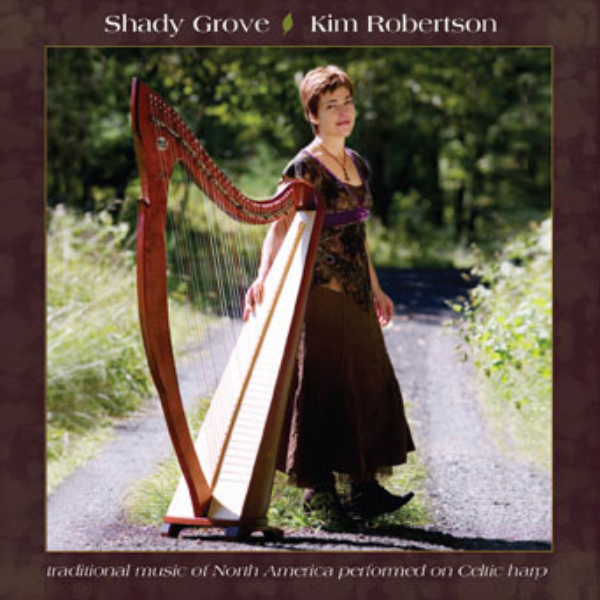
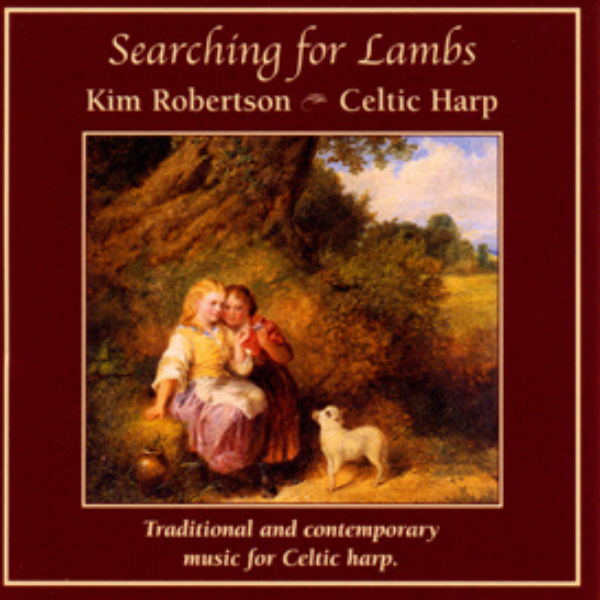
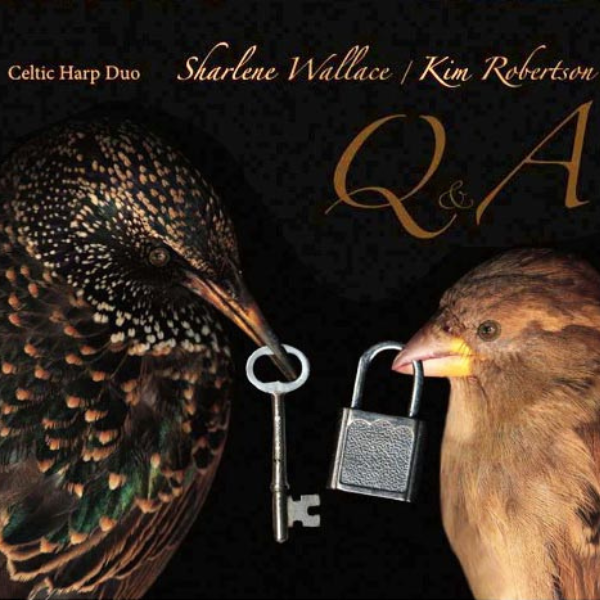
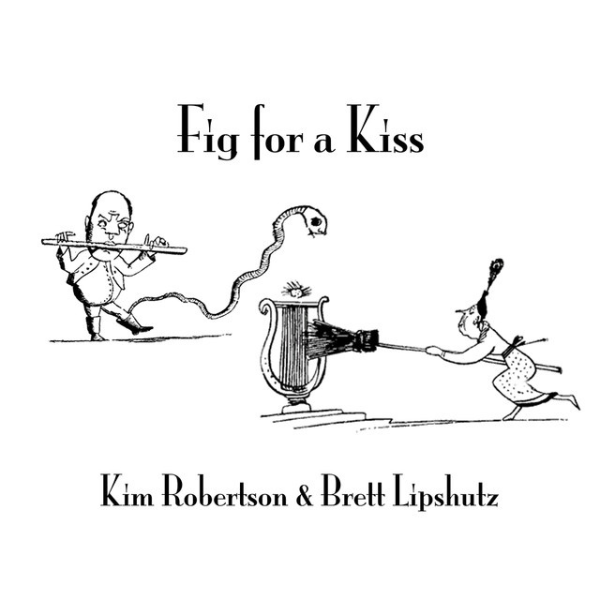
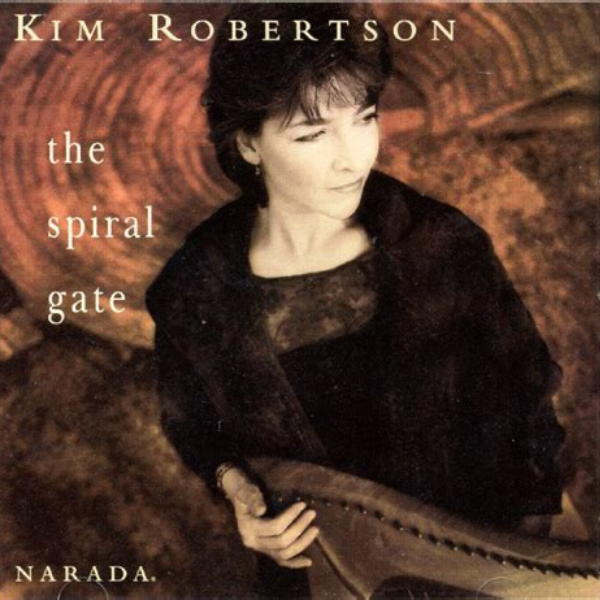
Kim Robertson’s CDs and sound recordings are available from Gourd Music and various other vendors. Find Kim Robertson’s complete list of recordings here. (Listen to select clips below.)


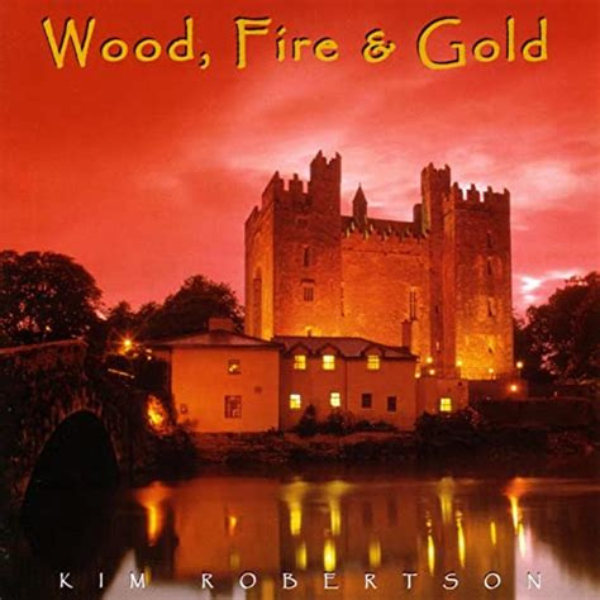
Selected audio clips
All Things Bright and Beautiful
Polish Lullaby
Barbara Allen
Oh, Shenandoah
Catherine Martin (O'Carolan)
I Vow to Thee
Selected video clips
Radio Interview (Harp Talk)
“Boundless” by K. Robertson (Somerset Folk Harp Fest)
“Jolly Old Pachelbel (Harp Gathering)”
Sheet Music

Solos and ensemble music
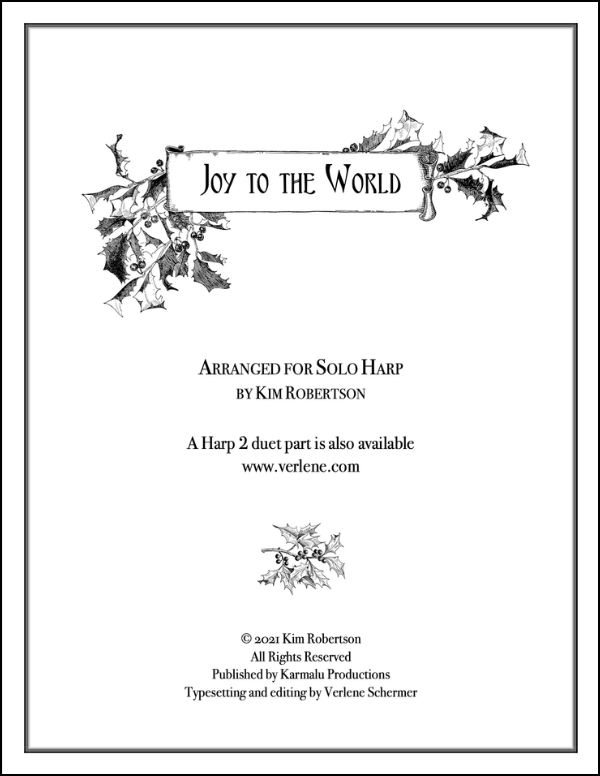
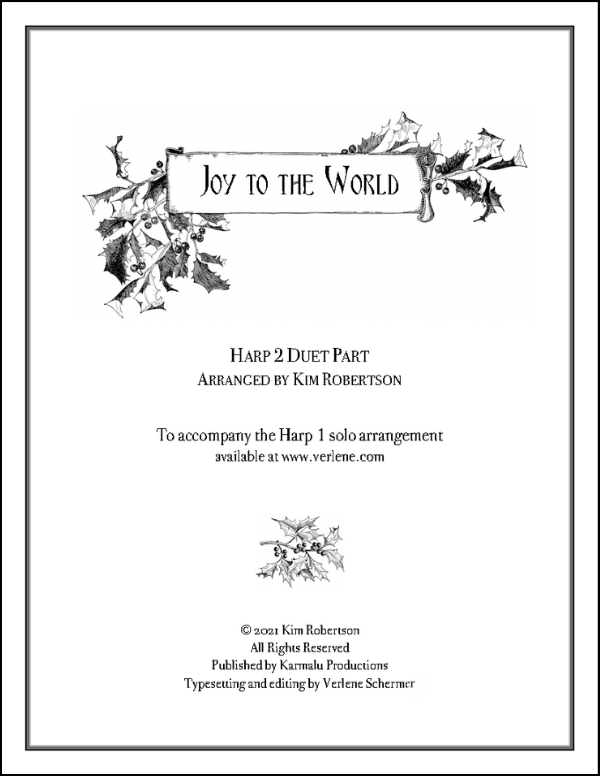
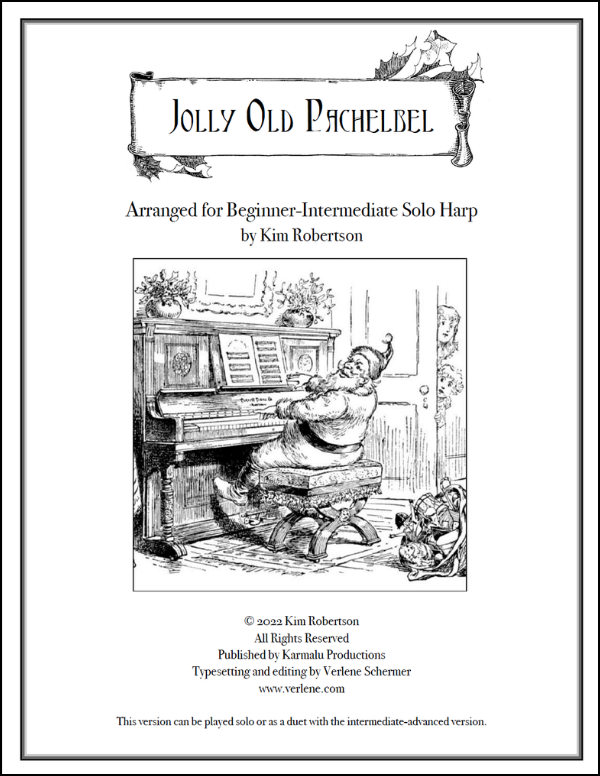
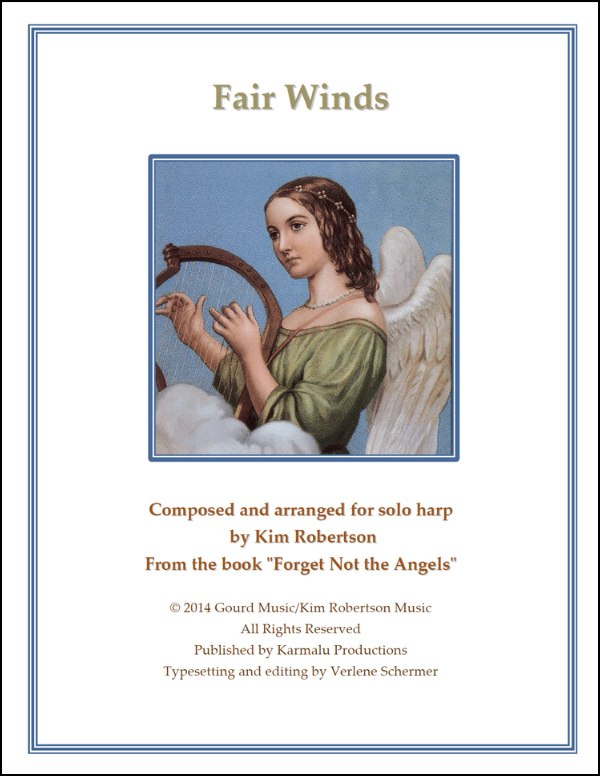
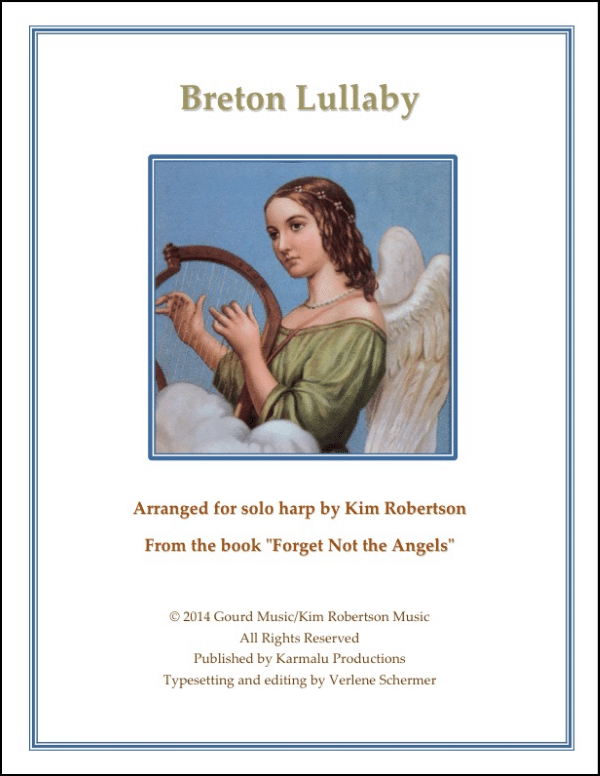
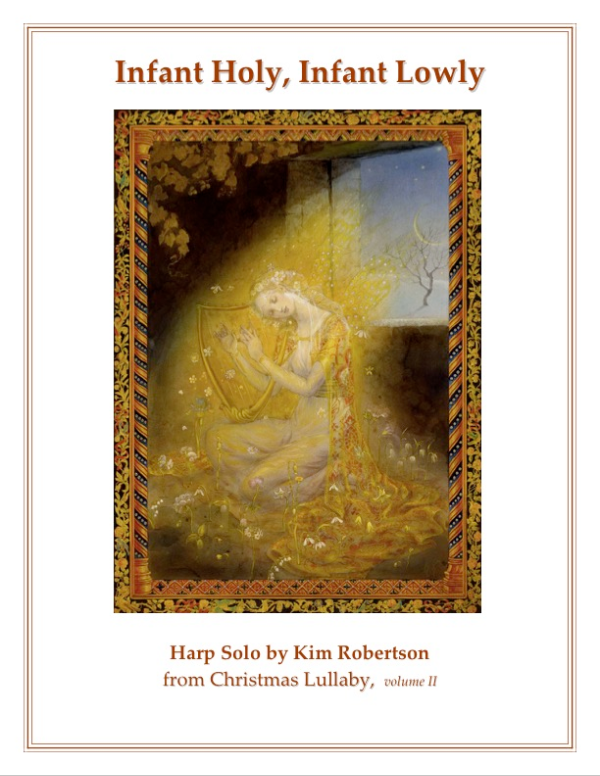
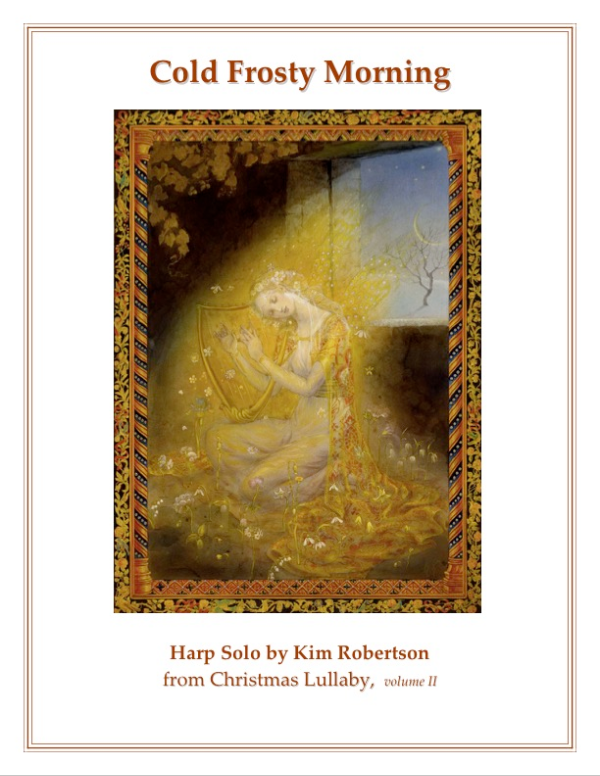
Kim Robertson’s sheet music publications are available from these and other vendors:
Solo harp books